
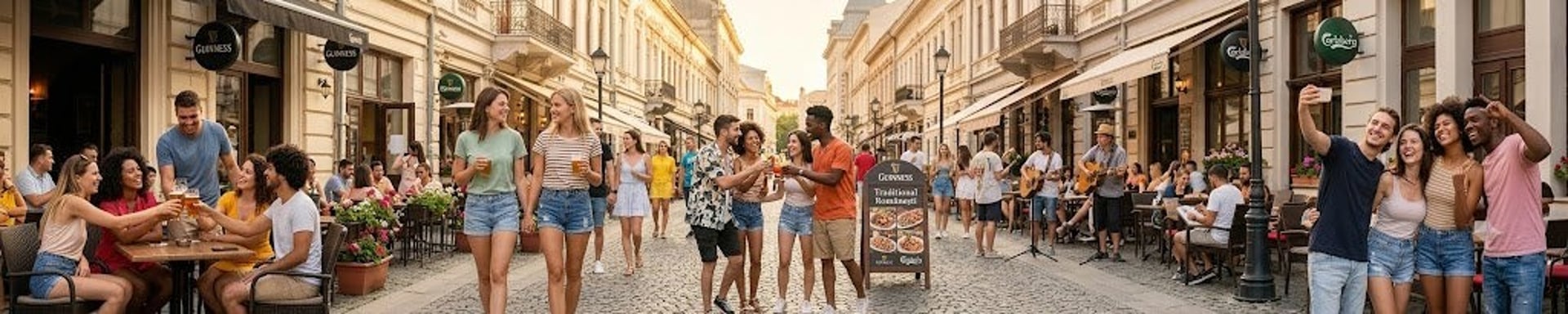
This instinct for deep connection is forged early in the classroom. Unlike the Western model of shuffling between different rooms and changing faces for every subject, the Romanian education system anchors children in a "fixed-class" structure. From kindergarten through university, students stay together, day after day, year after year. This creates a rare, enduring form of loyalty. Because these peers spend nearly a decade learning, failing, and succeeding alongside the same people, these bonds rarely dissolve; they harden into lifelong brotherhoods. It is no coincidence that so many Romanian couples build their lives together after meeting in these formative years—the foundation of trust is already built.
The result is a society that feels fundamentally more human. When you walk through your neighborhood, you won’t encounter the rehearsed indifference or averted eye contact common in global metropolises. Instead, you get real smiles, sincere interest, and neighbors who don’t just ask how you are—they wait for the answer. You are joining a culture that is instinctively warm, where people prioritize presence over convenience, and where, when life gets difficult, the people around you show up because they genuinely care.
The Power of Proximity: A Culture Built on Connection
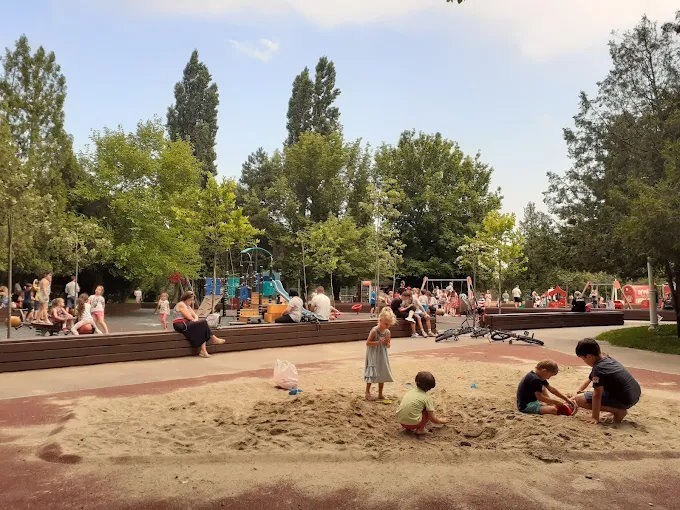
In many Western cities, "community" is a project you have to work at; in Romania, it is the default. Living here isn’t about navigating the isolated anonymity of high-rise living; it’s about participating in a small, organic village within the city. Here, neighbors aren't strangers sharing a hallway—they are an extended circle who know your name within weeks, look out for your home, and watch the neighborhood children grow up together in shared courtyards.
The Art of the Stress-Free Neighborhood: Romania's Organic '15-Minute City'
The USA Reality: The average American suburb or modern sunbelt metropolis was engineered exclusively around the automobile. You are trapped in a cycle of driving for every minor errand—whether it is getting a gallon of milk or picking up a prescription. Walking is treated as an afterthought; it is not uncommon to find sidewalks that simply end mid-block, forcing pedestrians onto the shoulder of high-speed roads. You don't just lose time in traffic; you lose the basic freedom of movement.
By relocating to Bucharest, your relationship with your neighborhood is entirely reimagined. You are not simply finding a place to live; you are stepping into the organic "15-minute city" model—where an elegant, pedestrian-first design reclaims the basic joy of daily movement.
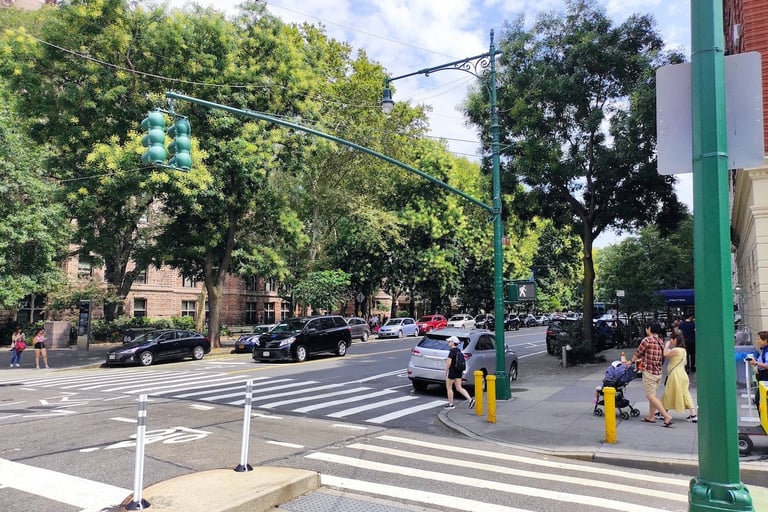
The Psychological Relief: When your entire day isn't choreographed around parking spots and traffic alerts, your lifestyle transforms. You reclaim the hours previously wasted staring at brake lights. Financially, eliminating the requirement of owning two vehicles per household saves an American expat family thousands of dollars annually.
The End of the Daily Commute In Bucharest, owning a car is an accessory for weekend getaways—not a daily requirement for survival. By eliminating the forced burden of secondary auto loans, insurance, and constant maintenance, you immediately unlock significant financial freedom. Instead of fighting gridlock, you are seamlessly connected by a dense, highly affordable, and exceptionally efficient public transit network. You can navigate across the entire metropolis in under an hour using modern surface trams, buses, or a rapid underground subway system renowned for being pristine, safe, and highly civilized.
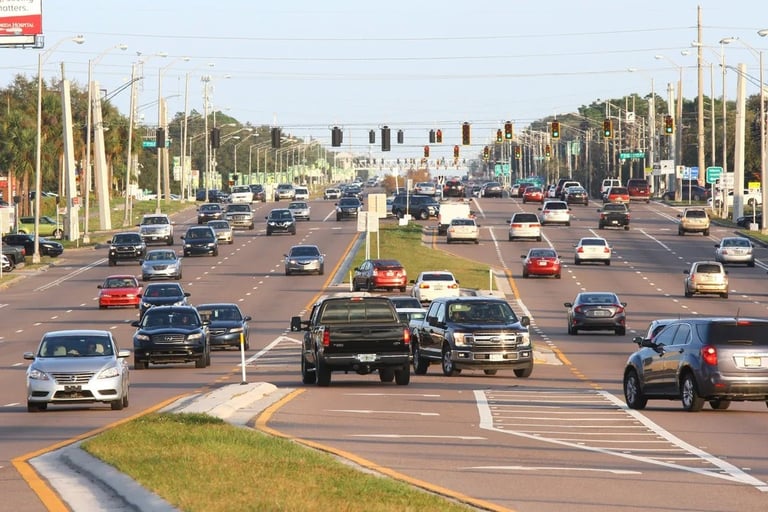
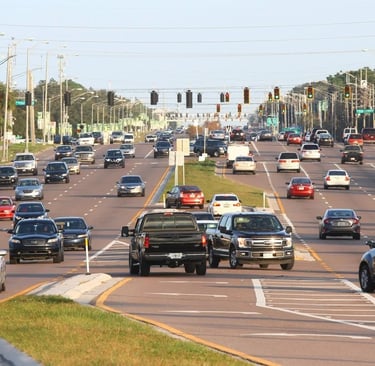
The design of American cities forces an exhausting lifestyle where your car is a prerequisite for survival. In Romania, urban design shifts from car-centric sprawl to a classic, dense European model that puts the human experience first.
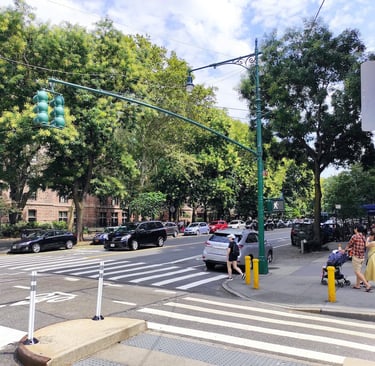
Tree-Lined Streets & Human Scale: While the standard American sprawl traps you in your vehicle for every errand, Romanian cities are built on a dense, integrated European model. Your daily errands switch from a stressful drive to a relaxing, tree-lined stroll. You trade the background vigilance of highway commuting for an environment where profound safety and ease are simply the quiet default.
A Tapestry of Local Life: Forget the monolithic 10-mile drive for groceries. Within a 5-to-10-minute walk from your front door, you have everything. Artisan bakeries ('Brutărie') with fresh-baked bread, intimate pharmacies ('Farmacie'), and vibrant fresh produce markets ('piețe') are nested seamlessly into the residential fabric.
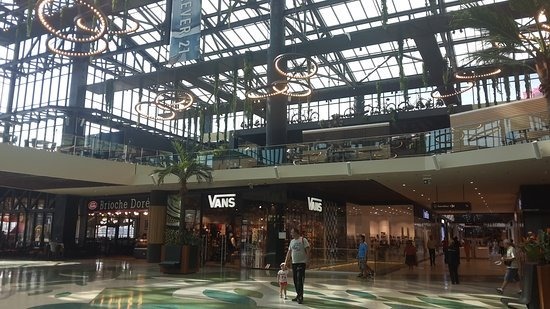
Seamless Integration of Modernity: The local ecosystem does not exclude the modern. Your walkable neighborhood comfortably hosts everything from cozy independent cafes to premium grocery stores, modern hypermarkets, and full-service malls. You gain immediate access to every modern convenience without making car ownership a daily financial requirement.
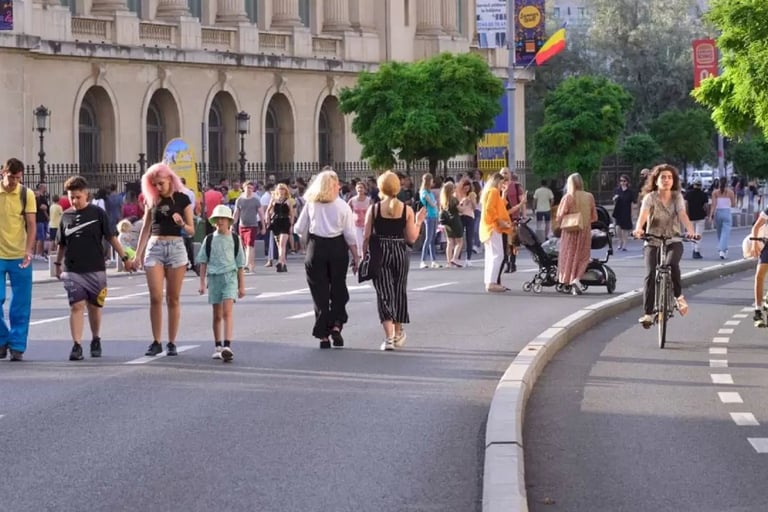
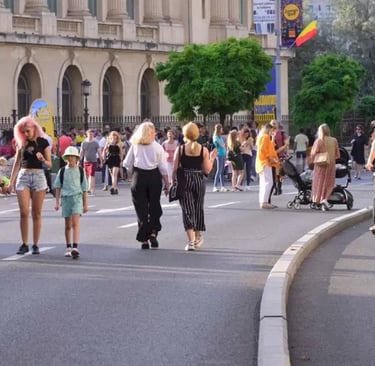
The Weekend Transformation: This commitment to the human experience goes even further. Every summer weekend, Bucharest closes several of its major central arteries to automobile traffic, transforming them into expansive, fully pedestrianized promenades. You are invited to stroll down historic, tree-lined boulevards, dine at fine outdoor restaurants, visit local museums, or enjoy vibrant street performances and cultural events. It is a city that actively encourages community and leisure, replacing weekend gridlock with a vibrant, walkable culture.
The Bottom Line: In the US, you build your day around parking spots and traffic alerts. In Romania, your environment invites you outside. You are trading the hyper-vigilance of highway commuting for a walkable, stress-free daily routine where life happens at a human pace.
Contact
PHONE / WHATSAPP
prisacadornei10 (at) gmail.com
+40-0723.378.959